My Story
My Philosophy
At the heart of this work is the belief that art is a living process of transformation—an entry point into healing, self-discovery, and change that begins the moment we engage with material and form. Through drawing, painting, sculpture, and mixed media, what is unspoken is given shape; what has been carried internally is allowed expression, release, and reorganization.
The creative act becomes a space where emotion can move rather than remain stuck. As color meets surface, as hands shape and re-shape material, something essential shifts—clarity emerges, tension softens, and experience becomes visible in ways that allow it to be witnessed, understood, and integrated. Within this process, individuals often reconnect with parts of themselves long overshadowed by grief, stress, or life experience, discovering new pathways toward presence and emotional freedom.
This work is grounded in the understanding that healing is not about correction, but reconnection—to one’s innate capacity for expression, resilience, and meaning-making. Through intentional engagement with the creative process, individuals are invited to move beyond old patterns and limiting narratives, and into a more integrated relationship with themselves.
In this space, art is not something we simply make. It is something we enter. Something we experience. And, most importantly, something that changes us.
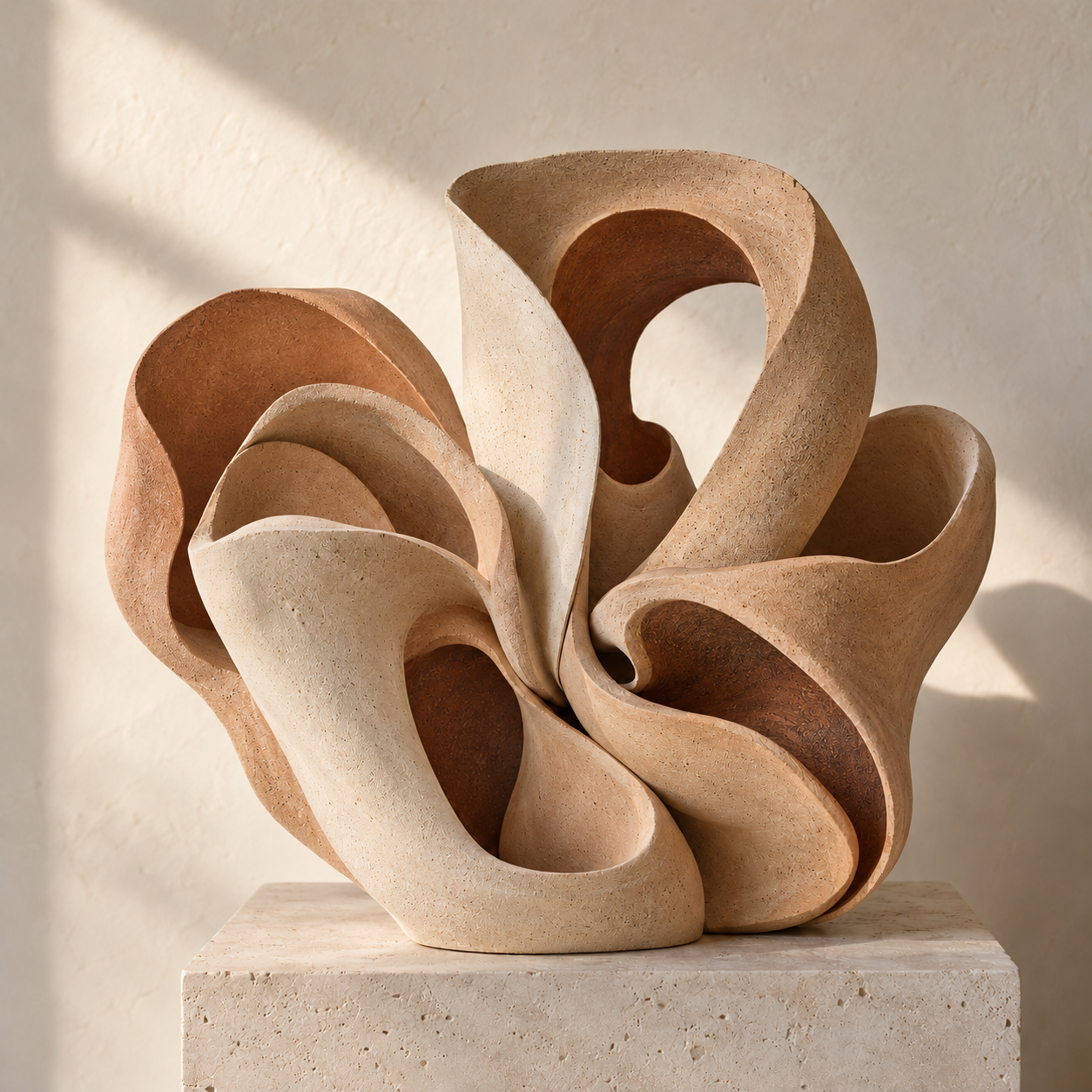
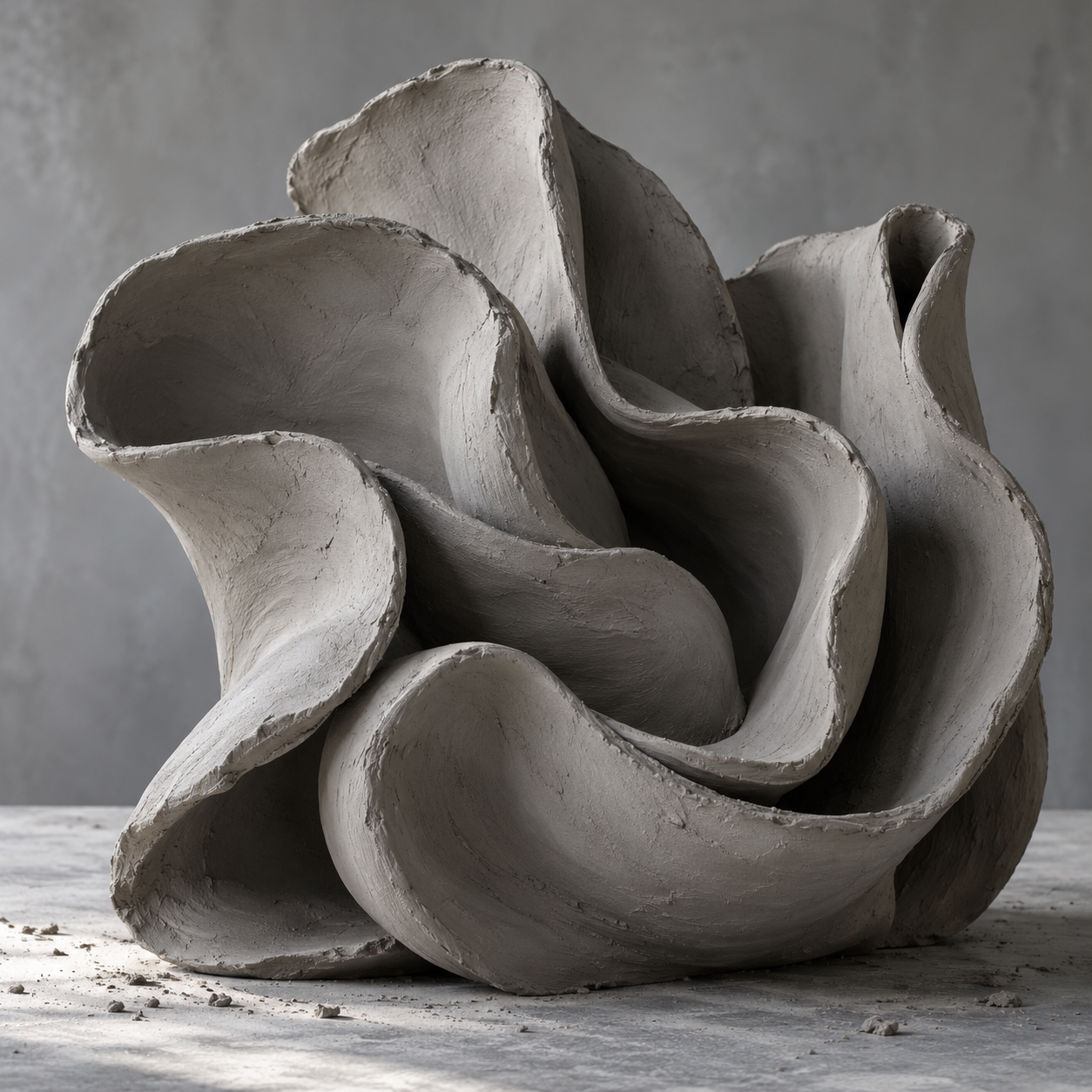
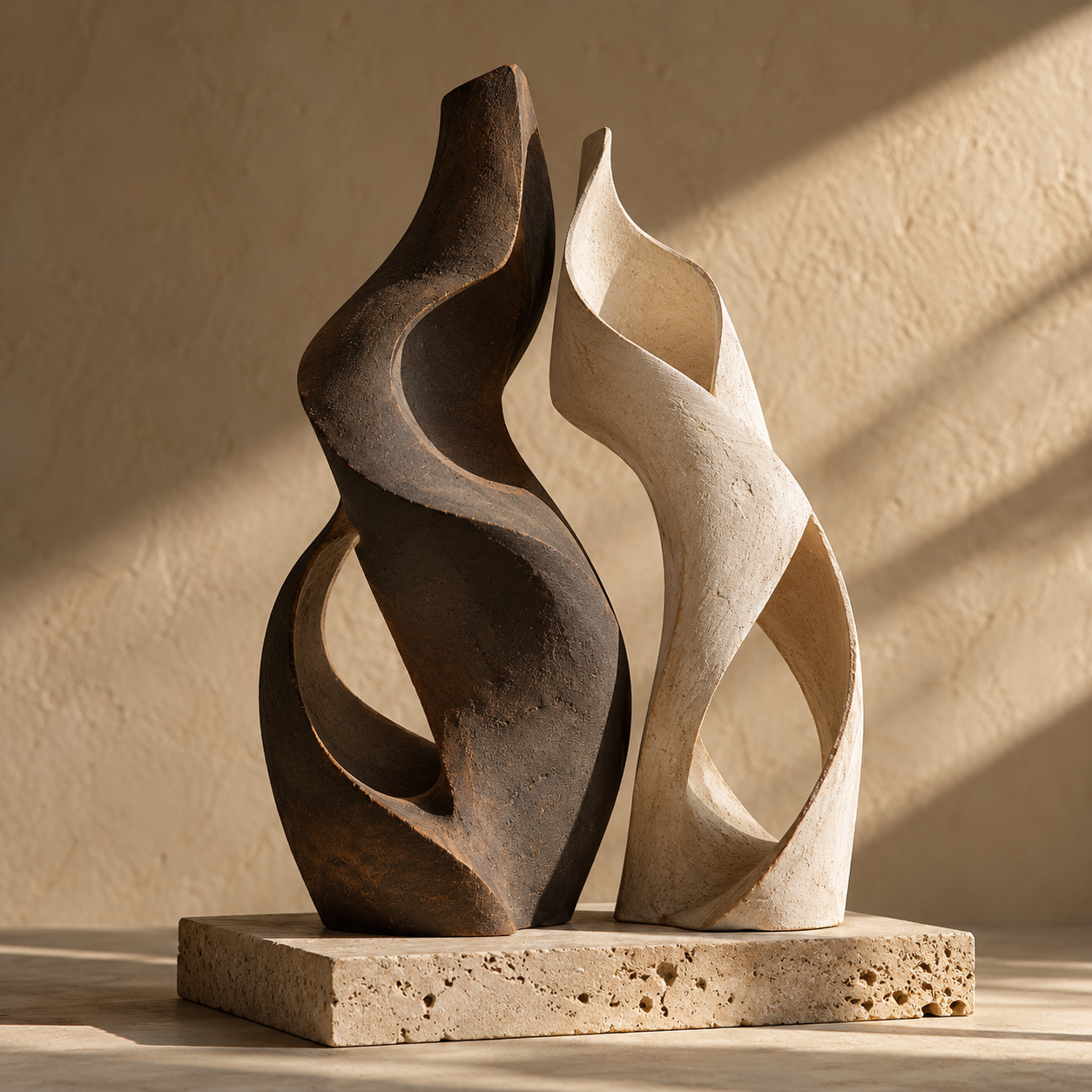
“Art didn't erase the pain or change what had happened, but it helped me find my way through it.”.
When I was younger, I imagined my future would be in medicine. I was always interested in understanding people, what they were experiencing, and how I could help. That interest eventually led me to study cultural anthropology and psychology, spend ten years working in healthcare, and later pursue a career in art education. My path hasn't been quite what I originally imagined, but looking back, I can see how each experience has shaped the person I am today.
My life has also been shaped by profound grief, loss, trauma, and unexpected transitions. There were times when I felt disconnected from my voice, my sense of purpose, and parts of myself that once felt whole.
During those difficult experiences, art became an important part of my own healing.
Through drawing, painting, sculpture, and creative exploration, I found a way to express emotions I couldn't always put into words. Art gave me space to slow down, process what I was feeling, and gradually reconnect with myself. It allowed me to sit with grief without feeling pressured to explain it or move past it before I was ready.
Art didn't erase the pain or change what had happened, but it helped me find my way through it.
Along the way, I rediscovered inspiration, confidence, and new perspectives. What began as a deeply personal experience with art became something I wanted to share with others.
As an elementary art educator, I've had the privilege of watching children discover what creating can bring into their lives. Whether they become the next Picasso or Leonardo da Vinci has never been what matters most to me. I want every student to know that art belongs to them, regardless of their abilities.
I've watched students work through frustration, overcome self-doubt, find their voices, and experience the confidence that comes from discovering something they didn't believe they could do. Those moments mean just as much to me as the artwork they create.
I also think about the child who is struggling but doesn't know how to explain why, or the adult who feels overwhelmed by life's pressures and simply needs space to slow down. I understand how difficult it can be to process emotions, navigate major life changes, or reconnect with yourself after experiencing loss. My own journey has taught me how meaningful having another way to express ourselves can be.
Today, I am pursuing a master's degree in Clinical Mental Health Counseling. In many ways, this feels like the final piece of a professional journey that began with my desire to help people.
My long-term goal is to build a counseling practice that integrates evidence-based mental health care with creative expression. I envision a beautiful, welcoming, and inclusive environment where mental health can be discussed openly, without stigma or judgment, and where individuals feel respected, supported, and understood.
My experiences have taught me that healing doesn't follow a single path or timeline. I hope to bring that understanding into my future work as a counselor while continuing to share the possibilities of creative expression through art.
For me, art has been much more than something I teach or create. It has been part of how I've learned to heal, reconnect with myself, and move forward. Sharing that experience with others is what makes this work so meaningful to me.